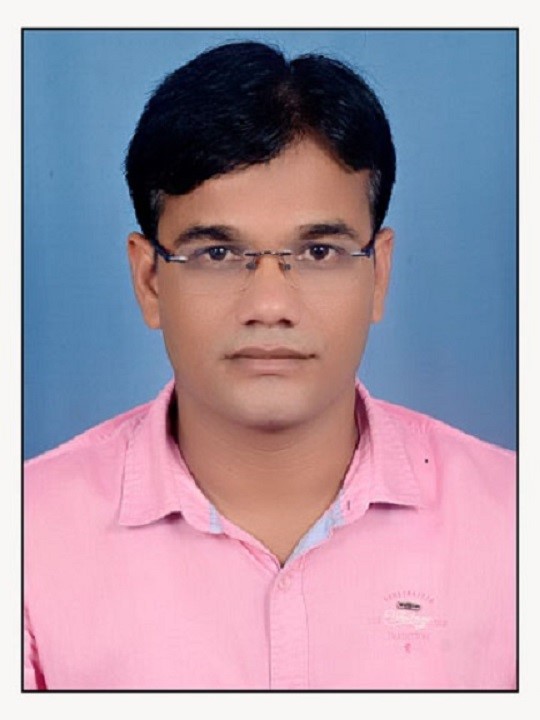
Prof. (Dr.) Pushpendra Yaduvanshi
Professor
Career Point University Kota · IN
 0009-0008-4411-2561
2
Papers
1,800
Views
909
Downloads
Publishes In
Published Papers
https://doi.org/10.64823/ijter.2503005
Cervicogenic headache (CGH), a type of secondary headache stemming from cervical spine dysfunction, is often misdiagnosed due to its similarity to primary headaches. Given the high levels of physical and mental strain in medical education, this study set out to explore how common CGH is among medical students. We initially screened 117 students using three validated tools: the Cervicogenic Headache Questionnaire (CGH), the Neck Disability Index (NDI), and the Leeds Assessment of Neuropathic Symptoms and Signs (LANSS). Of those, 56 students met the criteria for further evaluation. Surprisingly, only one participant (1.78%) showed signs consistent with CGH. Average scores on the assessment tools suggested minimal cervical-related symptoms or disability (CGH: 26.76, NDI: 8.11, LANSS: 3.31). These findings indicate that CGH is not a common issue among medical students, challenging the assumption that their academic lifestyle puts them at high risk. While factors like stress, posture, and screen use may still cause general discomfort, they do not seem to significantly contribute to CGH in this population.
https://doi.org/10.64823/ijter.2503004
The terms "shin pain," "shin splints," and "Medial Tibial Stress Syndrome" (MTSS) are commonly used to refer to pain and discomfort in the lower leg. It might impact recreational and competitive athletes equally, particularly distance runners, endurance sports players, dancers, and the military, proving that this injury is strongly linked to higher physical demands (overload). Medial Tibial Stress Syndrome (MTSS) is a common overuse injury of the lower extremity. It typically occurs in runners and other athletes that are exposed to intensive weight-bearing activities such as jumpers, most common injuries sustained by military personnel, associated with MTSS impact from loading activities such as marching.